- 5 stars: 2 (50%)
- 4 stars: 2 (50%)
- 3 stars: 0 (0%)
- 2 stars: 0 (0%)
- 1 star: 0 (0%)
Another lovely tea from Tea Urchin. The first three steeps were quite bitter and acidic, and the flavor seemed kind of flat. But on the fourth, it opened up. Just a little fruitiness and honey sweetness. It held up very well to a good 10 infusions before turning a bit bitter again. The energy is strong and stable, not too flighty. For those of us getting into the pu erh thing, I think we are trying to guess about whether a tea like this will age well, lose the bitterness, and evolve into something wonderful. So it is a bit of a gamble when we lack the experience to tell what flavors will develop into. I think I am going to take a chance on this one and order a cake. At the very least, like all teas I’ve tried from Tea Urchin, it wreaks of high quality. In another few years, at least, I will hopefully see how this one ages and add it to my experience!
Originally posted on Steepster by RichD.
Note: the original rating was on Steepster's 100-point scale; the star rating shown is converted from it.
9 grams. rinse, 1) 20s too weak 2) 30s bulls eye! None of the upfront sweetness of yesterday’s Yiwus. Immediate kuwei, then very slowly the huigan comes up the throat. Just caught a whiff of delicious smoke mixed with the dry leaf aroma. 3) 30s The kuwei is now served up in a creamy, delicious broth. Swishing it around on my tongue I’m reminded of my 901 7542. Oooh, 5-10 minutes later I’m getting a deliciously rich returning sweetness. This tea rewards patience between infusions. I’m feeling strong qi despite heavy pu intake recently, down in my chest almost jittery, in the head WIDE awake and smiling, wanna give someone a hug but alas, I'm drinking alone. (The almost jittery feeling is because during the session I took a big dose of lin jiu/reishi tincture. What a boost) 20 minutes later still getting sweet creaminess in the mouth. This huigan is without a doubt superior to yesterdays, which only made me want to take a drink of water. 4) 30s No sweetness this time, and the bitter is less wonderful, and my palate tastes slightly metallic. 5)30s 98C this time, with better results, more like 2 and 3 but less so. Qi is good. I’m getting an uninhibited but in control feeling. 6) 40s 98C Nice feeling in throat, good bitterness but less of it. Try longer infusion. Good qi. I thought I’d get more than six infusions out of nine grams but the energy from the session lasted long after.
Note: the original review included no star rating — the rating shown was estimated from the review text.
I have had 10 sessions with this tea now. I have not known many young shengpu's to be all that well behaved, but this tea is remarkably user friendly. The hardened adventurer could push it to the edge, and the beginner can find somewhat of a loyal friend to walk them through the experience. The tea stays sweet and gentle yet underneath offered a courageous full bodied heart. The flavor lasted all the way though to the end, changing and opening like a blooming flower. I haven’t yet found sourness in any of Tea Urchin's teas, and I don’t know that I ever will. This tea will only get better with age. From my first tasting notes: As the last tastes, of the 8th 9th steeping fall away into the flavor of sweet orchid and spring time, I looked out the window to Pacific Northwest rain let up to the sunshine. I have been drinking Tea Urchin's teas for about 4 weeks now, and it has reminded me why I love young Shengpu after many months of feeling underwhelmed. My heart is warmed, and my mind stimulated to a subtle alertness. The care and the time put into the Eugene and Belle's tea is so apparent in every sip, yet I think that this tea above all that I have ever tasted is the most friendly. I would HIGHLY recommend this tea to anyone that happens to read this, and I know that tea taste is ever so subjective but I am sure that you will not be disappointed.
Note: the original review included no star rating — the rating shown was estimated from the review text.
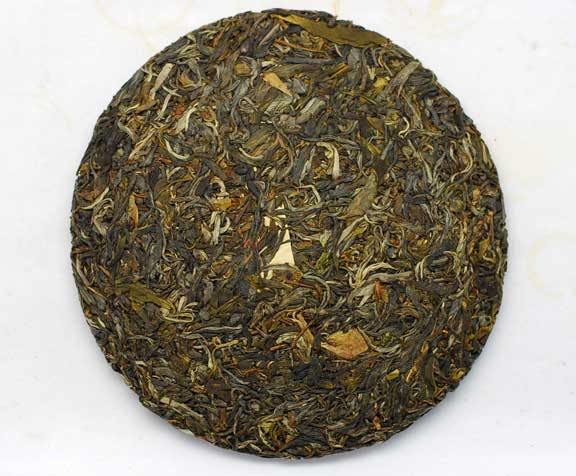
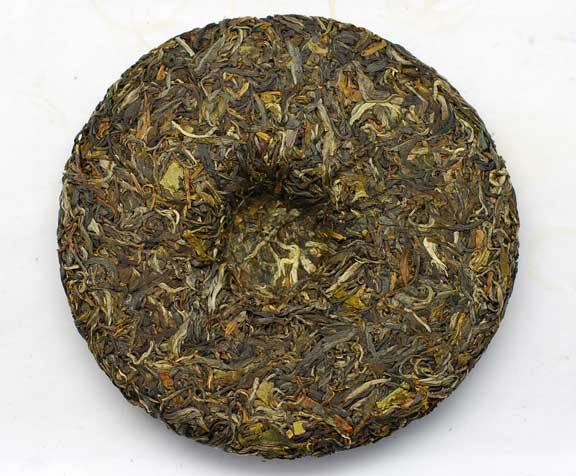
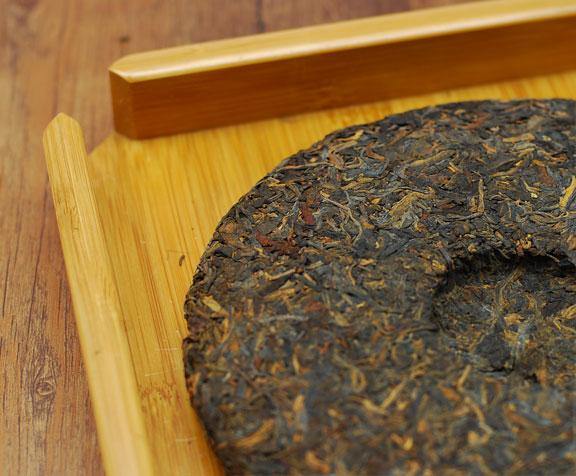
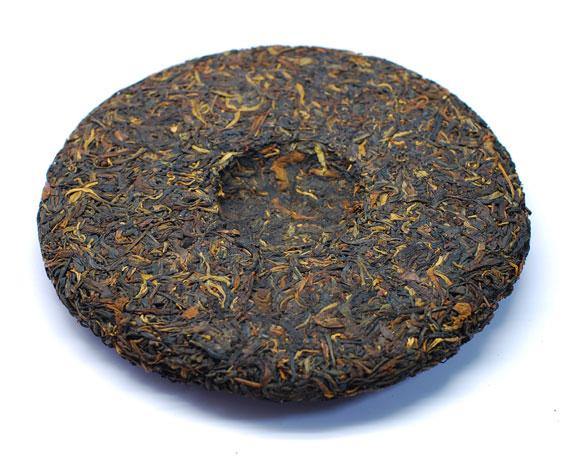
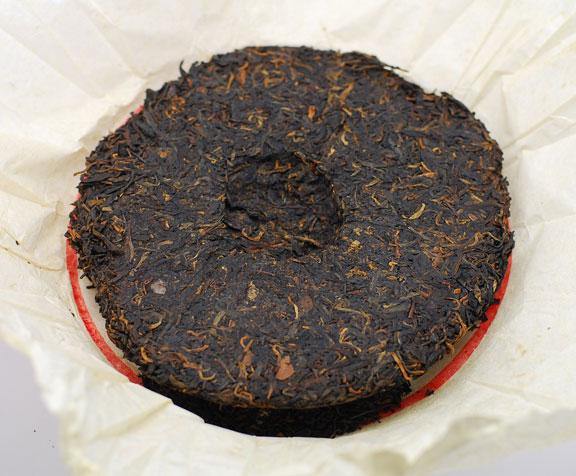
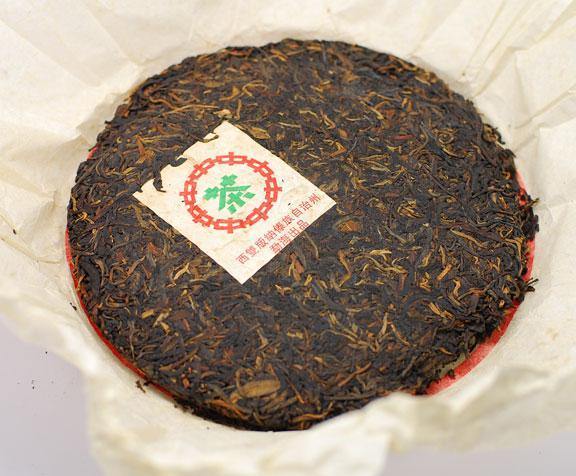
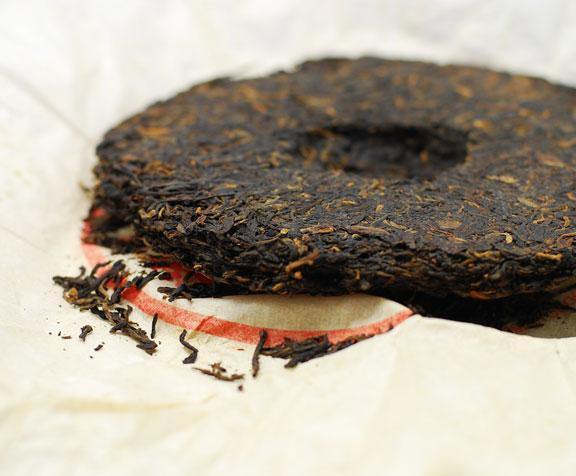
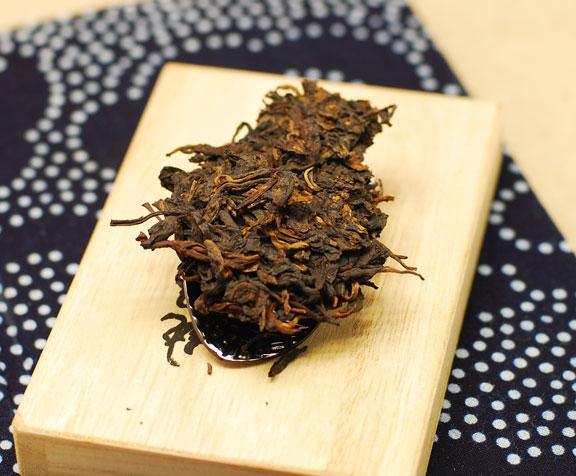
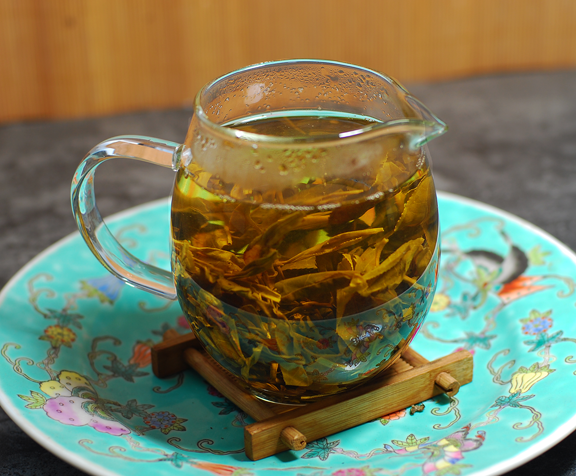
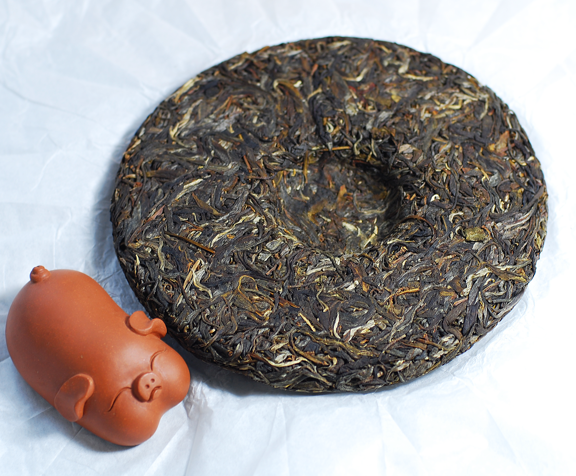
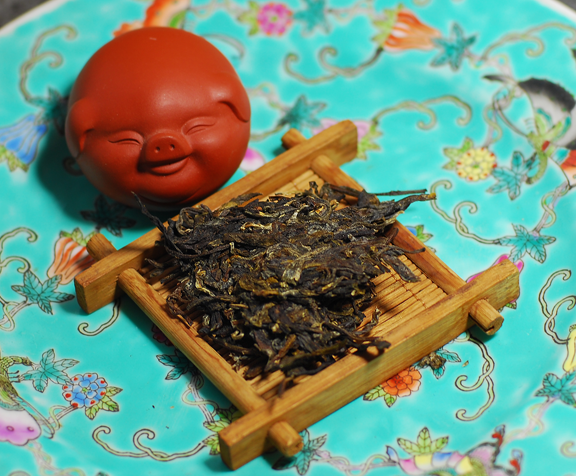
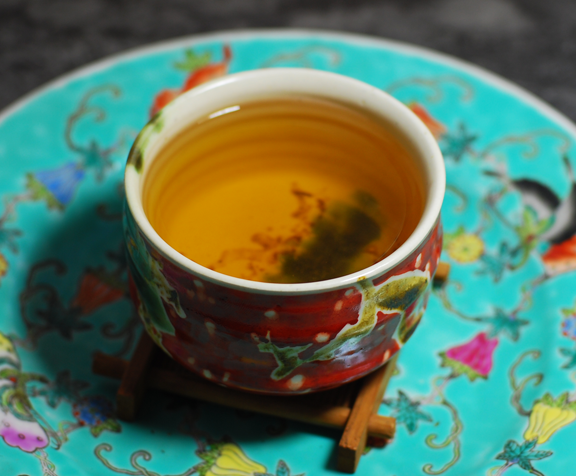
My first sheng pu'er of the spring 2012 season! The sample shows full small leaf, buds, stems, and some broken leaf. The nose of the dry leaf is heavily fragrant with green, muddled with meadow hay and a trace of orchid. Once wetted, the leaf gives up some of its floral note, placing its faded trace along the lid of the gaiwan throughout the session. The vigor of the tea is noticeable as it flutters along the edge of the tongue. It enters and fills the mouth beautifully, arching into the soft palate, ebbing and flowing into the sinus creating a flooding sensation. The notably thick liquor increasingly coats the mouth and the lips. The broth moves slowly down the full length of the throat, warming. Eager to assert its youthfulness, it presents a pronounced and engaging ku se (bitterness) lasting well across 6 steeps. A drying sensation (this astringent nature is a signature of teas from this area from what I have read and experienced) develops, increasing throughout the length of the session, continually drawing me back to the gaiwan. The hui gan is pensive in its nature. It moves with subtlety from the throat, along the length of the teeth before finally soaking the tongue. It progressively develops a seemingly textural quality. Its energy becomes noticeable by the fourth steep, building through to the last. It arrives in waves of heat, spreading to the crown of the head, arms and legs. My body begins to radiate the excess by the end of the session. I actually thought of the scene from Melancholia where Kirsten has her hands raised to the sky. I have become noticeably tea drunk. Any edge in my mood has smoothed out. Shortly after the final cup with the tea's essence still lingering in my mouth; I note that the tongue, mouth and sinuses have now cooled. Yet, my shoulders remain prickly with warmth. What an exceptional first cake to begin the spring season's offerings.
Note: the original review included no star rating — the rating shown was estimated from the review text.